
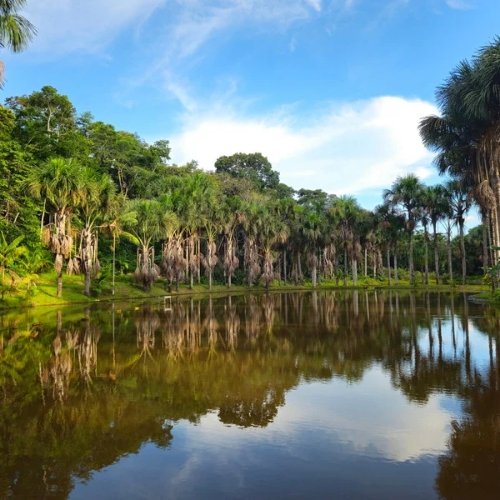
Manu, Peru: the definitive guide to exploring the Amazon and living a unique experience
Introduction to Manu, an exceptional destination
Manu is located in the heart of the Peruvian Amazon and has been recognized as one of the most iconic and special destinations in this vast region. This national park, which spans a huge expanse of tropical rainforest, is famous for its impressive biodiversity and outstanding landscapes. Visiting Manu is much more than just observing wildlife and plants; it’s living an immersive experience where every element of the surroundings invites a genuine connection with nature.
The biodiversity in Manu is astonishing; the park is home to a rich variety of wildlife and plant species. From exotic birds to unique mammals, Manu’s biological richness attracts ecotourists and scientists from around the world. Visitors have the chance to spot species such as the jaguar, the pink river dolphin and a vast number of birds, making Manu a paradise for wildlife watchers. In addition, tourists can discover medicinal plants, many of which are endemic, highlighting the importance of conservation and respect for this natural environment.
Manu’s landscapes are equally captivating, showing a variability that ranges from tall, mist-covered mountains to mighty rivers and lush jungle. This geographic diversity contributes to a unique microclimate that favors the growth of different ecosystems. These variations make Manu a place where nature manifests itself in surprising ways, offering visitors an unparalleled visual spectacle.
Finally, the experience of visiting Manu is enriched by the chance to connect with local communities. Travelers have the opportunity to interact with indigenous peoples who have inhabited these lands for generations, offering a deeper perspective on their culture and their relationship with the natural environment. Thus, Manu is not only a place of spectacular beauty, but also a destination where sustainable tourism and authenticity intertwine to create an unmatched journey through the Peruvian Amazon.
Manu National Park: location and features
Manu National Park, located in southeastern Peru, is considered one of the most biodiverse places on the planet. This park covers an area of approximately 1,532,806 hectares and is located in the Madre de Dios region. Its varied geography ranges from mountainous terrain in the Andes mountain range to vast plains and tropical rainforests rich in flora and fauna, making it a focal point for conservation and research for scientists and ecologists.
The ecological importance of Manu National Park lies in its ability to host a huge diversity of ecosystems, home to thousands of plant and animal species, many of which are endemic. Because of this diversity, the park has been designated a Biosphere Reserve by UNESCO. In addition, Manu is home to numerous endangered species, such as the jaguar and the spectacled bear, which depend on the integrity of this ecosystem for their survival.
Several indigenous communities live near the park and are an integral part of the region’s culture and history. These communities, such as the Matsigenka and the Shipibo, have developed a sustainable relationship with their environment, basing their way of life on interaction with nature. Preserving their traditions is essential not only for maintaining their cultural identity, but also for mitigating deforestation and other activities that threaten the Amazon. Through eco-tourism efforts and conservation projects, the aim is to promote sustainable development in the region, allowing visitors to experience Manu’s natural and cultural richness while ensuring its protection for future generations.
Reasons to visit Manu
The Manu region, located in the heart of the Peruvian Amazon, stands out as a favorite destination among travelers seeking an authentic and unique experience. One of the most fascinating elements of Manu is its impressive biodiversity. This area is home to one of the richest rainforests in the world, where visitors can observe an exceptional variety of wildlife and plants. From majestic jaguars to colorful macaws, the scenery surprises at every turn.
In addition to its rich wildlife, Manu offers exclusive experiences that guarantee unforgettable memories. For example, jungle tours allow travelers to immerse themselves in local culture, interacting with indigenous communities that have inhabited these lands for centuries. These interactions not only provide a fresh perspective on life in the jungle, but also foster meaningful cultural exchange.
Another important aspect of Manu is its accessibility. Despite its remote location, there are multiple transportation options that allow adventurers to reach this natural paradise. From domestic flights to boat trips, the journey to Manu is just a small part of the adventure ahead.
Ecotourists will also find in Manu a host of ecological and conservation activities that allow them to explore its natural beauty while supporting its preservation. Guided excursions, including hikes, bird watching and river navigation, are just some of the ways visitors can actively participate in protecting this invaluable ecosystem.
The combination of biodiversity, culture, accessibility and sustainable tourism options makes Manu an essential destination for those seeking to connect with nature and experience something truly extraordinary in the Peruvian Amazon.
Unforgettable experiences in Manu
Manu, in the heart of the Peruvian Amazon, offers a wide variety of activities that allow travelers to immerse themselves in the region’s rich biodiversity and culture. One of the main attractions is the chance to venture out on jungle hikes, where hikers can explore this ecosystem’s unique flora and fauna. The routes are designed for different levels, allowing both beginners and experts to enjoy the lush scenery and learn about the various habitats present.
Wildlife and bird watching is another can’t-miss aspect of the Manu experience. The region is home to thousands of species, including exotic birds such as the macaw and the hummingbird. With a bit of patience and a pair of binoculars, visitors can witness these creatures in their natural habitat, offering exceptional opportunities for nature photography. Many local guides offer specialized tours that highlight the behavior and characteristics of these animals.
In addition, navigating the area’s rivers is an activity that should not be missed. Boat excursions along the Madre de Dios River or the Manu River allow travelers to enjoy a singular landscape while venturing out in search of pink river dolphins and other aquatic inhabitants. These journeys are usually accompanied by stories about local culture and the region’s history, further enriching the experience.
Cultural exploration is another fascinating facet of visits to Manu. Many travelers have the chance to interact with local indigenous communities, learning about their traditions, customs and ways of life. These experiences offer an authentic look at life in the Amazon, fostering meaningful cultural exchange.
In short, activities in Manu enrich the visitor experience, providing a deep connection with nature and culture, ensuring unforgettable memories that will last forever.
Wildlife and plants in Manu: what you can find
The Manu region, in Peru, is recognized for its exceptional biodiversity, making it a true paradise for nature lovers. This vast area is home to an incredible variety of wildlife and plant species characteristic of the Amazonian ecosystem. As visitors venture along its trails, they can expect to spot everything from exotic birds to mammals and reptiles, each one unique.
Among the birds, a notable example includes the famous scarlet macaw, whose colorful plumage stands out against the intense green of the jungle. These majestic birds are just one of the many species inhabiting the area, which also includes parrots, toucans and the elusive jaguar, a critically endangered species that can occasionally be spotted by the luckiest visitors.
Manu’s flora is equally impressive, with giant trees such as kapoks and palms that can reach towering heights. Medicinal plants, many of which are unique to the Peruvian rainforest, share the space with exotic species not found anywhere else in the world. This plant richness not only sustains local wildlife, but also plays a crucial role in regulating the region’s climate and water cycle.
However, it is important to mention that wildlife watching in Manu can be unpredictable. Although the area is a rich habitat for many animals, factors such as the time of day, weather and the observer’s patience can influence the chances of successful sightings. Therefore, visitors should be prepared to enjoy the journey as much as the destination, in the hope of connecting with the spectacular wildlife that inhabits this magnificent part of the world.
Manu vs. other Amazon destinations
The Peruvian Amazon is a vast and diverse ecosystem that attracts numerous tourists every year. However, when considering destinations, Manu stands out for its uniqueness compared to other places in the region. First, Manu National Park is characterized by its exceptional biodiversity, which includes species not found elsewhere in the Peruvian rainforest. This largely unexplored park is home to an impressive variety of flora and fauna, making it an ideal destination for nature lovers.
In contrast, destinations such as Iquitos or Puerto Maldonado, though equally beautiful, tend to be more developed for tourism. In Iquitos, for example, tourism is more focused on urban experiences and access to Amazonian culture, while Puerto Maldonado offers a variety of lodges that make it easy to access the jungle. However, these tourist experiences may not offer the same level of immersion in nature that can be achieved in Manu, where interaction with wildlife is highly valued and more frequent.
In addition, the activities available in Manu are quite different. While in other Amazon destinations you can find tourist boat rides and visits to local communities, in Manu the focus leans more toward authentic exploration and scientific research. Guides specialized in Manu can provide a deep understanding of local ecology, allowing visitors to enjoy an educational and memorable experience in this near-pristine natural environment.
Finally, while destinations such as Iquitos and Puerto Maldonado are more accessible and offer a wider variety of tourist activities, Manu provides a deeper connection with the Amazon. This distinction is crucial for those seeking not just to visit, but to truly experience the essence of the Peruvian rainforest. Without a doubt, Manu is a destination that invites reflection and a deeper appreciation of the region’s unmatched biodiversity.
The best time to travel to Manu
Planning a trip to Manu, Peru, involves considering various climate and seasonal factors that affect the experience for those looking to explore the fascinating Amazon. The Manu region has two main seasons: high and low. The high season, which runs from May to October, is ideal for those seeking drier weather and a lower chance of rain, making outdoor activities and wildlife watching easier. During these months, average temperatures range between 20 and 30 degrees Celsius, creating conditions favorable for tourism.
In contrast, the low season runs from November to April, when the Amazon sees an increase in rainfall. Although rain can make some activities more difficult, this period also offers significant advantages. The low season allows travelers to experience the lush, verdant jungle, since the rains nourish the vegetation and boost biodiversity. In addition, there are fewer tourists, creating a calmer atmosphere and allowing for a more intimate connection with nature.
It’s also important to keep in mind the best times for different activities. For example, if your interest lies in bird watching, the months of May to August are ideal, since several migratory species can be spotted. For fishing enthusiasts, the rainy season can offer unique opportunities to catch different varieties of fish. In short, both the high and low seasons offer unique features that should be weighed based on personal preferences and desired activities, allowing every traveler to enjoy the magic of Manu in an unforgettable way.
Practical tips for a trip to Manu
Traveling to Manu, Peru, requires careful planning to fully enjoy this unique Amazon experience. To begin with, it’s essential to prepare a list of key items you should bring along. Lightweight, breathable clothing, along with a raincoat, are essential due to the tropical climate. A hat, sunglasses and sunscreen are also essential to protect yourself from the intense sunlight during the day. In addition, don’t forget suitable footwear for hiking on often uneven trails.
The difficulty level of activities in Manu can vary. There are options for everyone, from those who prefer gentler explorations to those seeking a bigger challenge with demanding hikes and wildlife spotting. It’s advisable to assess your physical condition and choose activities that suit your abilities. Before setting out on an expedition, consider joining a guided tour, since it can offer a better experience thanks to local knowledge and access to lesser-known spots.
Safety is another crucial aspect of your trip. Make sure to have a basic first-aid kit and stay alert to your surroundings, especially when hiking through the jungle. Keep your guides and companions informed about any changes to the itinerary or any concerns that arise. Also, when choosing to take part in ecotourism activities, make sure they align with responsible tourism principles, which will not only benefit visitors, but will also help preserve the natural environment and local culture.
Finally, remember that the Amazon is a delicate ecosystem. All your actions should be guided by a sense of respect for nature and the communities that live in this region. With proper preparation and an open mind, your trip to Manu will be memorable and enriching.
Sustainability and responsible travel in the Amazon
The Amazon, known for its biodiversity and lush landscapes, faces numerous challenges related to environmental conservation. In this context, sustainable tourism stands out as a key tool for fostering ecosystem preservation, promoting a balance between travelers’ enjoyment and respect for nature. As more people choose to explore this impressive region, it’s essential that every visitor understands their role in conserving its natural richness.
Sustainable tourism focuses on responsibility and respect for local culture and natural environments. Travelers can significantly contribute to preserving the Amazonian ecosystem by choosing practices that minimize their environmental footprint. For example, choosing tour operators that implement conservation policies, prioritize local guides, and support indigenous communities can make a notable difference. These choices not only help protect biodiversity, but also benefit local economies.
During their visit to the Amazon, tourists should consider practices such as mindful use of water and energy, waste collection, and respect for wildlife. Responsible interactions with local flora and fauna are essential to ensure that tourism activities do not interfere with the ecosystems. Likewise, taking part in ecotourism activities that promote visits to conservation projects is an effective way to help support environmental health.
In conclusion, responsible tourism not only enriches visitors’ experience in the Amazon, but also plays a crucial role in protecting one of the planet’s most vital ecosystems. By being mindful of their impact, travelers can help preserve the beauty and richness of the Amazon for future generations.